
Germany's Greatest Traditional Dishes: Must-Try German Foods
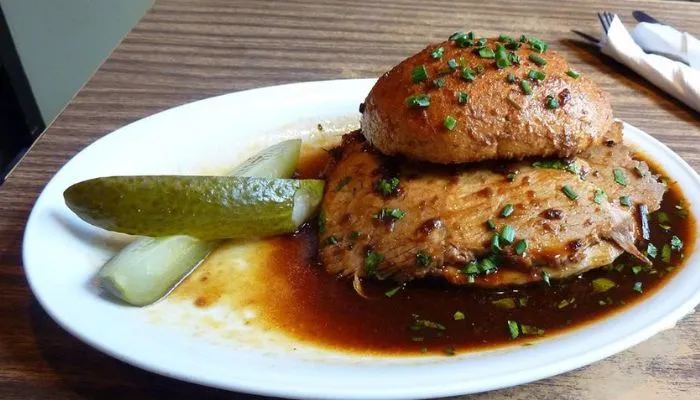
They might not boast the same culinary pedigree as their European cousins, but Germany isn’t solely about the pretzels, bratwurst and beer; the country’s cuisine offers a surprisingly comforting collection of baked goods, pastries, desserts and local specialties to sink your teeth into. Join us as we investigate a few of Germany’s quirkier and retro dishes – most of which never appear on modern dining tables these days.
Mett-hog
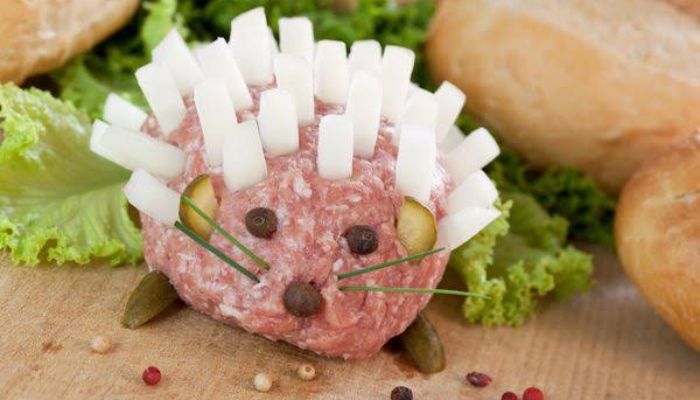
How to make it: This little fella comes from mett, raw minced pork that someone has seasoned with salt and pepper. Raw! From the 1950s to the 1970s every German birthday party or cold buffet featured a small meat heap in the shape of a hedgehog adorned with onion slices and gherkins. Because of the raw ingredients it doesn’t have a particularly long shelf life, and whereas it is now less common, you can still purchase the odd bread roll with mett slathered onto it.
You may also read :- Comforting Italian Dinner Recipes the Whole Family Will Love
Zucker-ei
The dessert Zucker-Ei (meaning ‘sugar-egg’ in German) is, surprisingly enough, sugar and eggs. A recipe called kogel mogel, that has both Eastern European and Jewish origins and that once served as a more affordable substitute for pudding, chefs made by beating the eggs, adding sugar to them, and beating until they became creamy. Often to sweeten this evening drink, someone added a measure of red wine and a spoonful of honey, or a tonic drink for the ill. Add some liquor to your zucker-ei and you’ve got yourself an eggnog.
Stuffed pig’s stomach
The name does not inspire many people but former German Chancellor, Helmut Kohl, absolutely adored it. It's a specialty from southern Germany and mixes pork, sausage meat, and potatoes, seasons them with a medley of spices, stuffs them into a pig's stomach, and then boils them (like Scottish haggis).
Toast Hawaii
Toasted Hawaii as a tradition Toast Hawaii as the more elderly relative Toast Hawaii as it gets Toasted Hawaii got out and about in West Germany during the 50s. However, delicious and as easy as it is, toasted Hawaii no longer seems to have much of a presence in kitchens – perhaps like Hawaiian pizza, also contains ham, cheese and pineapple. But as an aside, toast Hawaii can of course also be easily transformed into vegetarian dishes, for which simply forgo the ham or replace it with a plant alternative.
Himmel und Äad
Himmel und ad – Heaven and Earth is also a recipe from the central German Rhineland, but chefs once served it all over Germany as a very real classic – and how else: on grandma's table. The combination of mashed potatoes and applesauce may sound unusual, but give it a try, it really is heavenly. People often also eat it with grtzwurst (which will be discussed more later).
Soleier
Perfect bar food for when you have a pretzel to dunk into obatzda [a rich beer cheese dip], this pickle is brine for days. The bath of vinegar and salt dips the onions and spices, and it will give you the punch of flavour you’ll be craving. Well preserved for several weeks at a time, these eggs are as simple as they get for you to cook up. Simply grab a big jar, get your fill of vinegar, and throw in anything from peppercorns, mustard seeds to allspice or cloves to get to cooking!
Rote grütze
Children particularly in the north of Germany, and also in Scandinavia, enjoy this sweet concoction, which cooks create by simmering fruit such as redcurrants, raspberries, cherries and strawberries with sugar, vanilla and fruit juice until slightly thickened (originally with groats, which is where rote grtze - red groats - comes from, but nowadays often starch is used). Serve your wobbly creation with semolina, vanilla sauce or ice cream. You will see packaged versions of the traditional treat in almost every German supermarket, but few will prepare it from scratch these days.
Elderberry soup
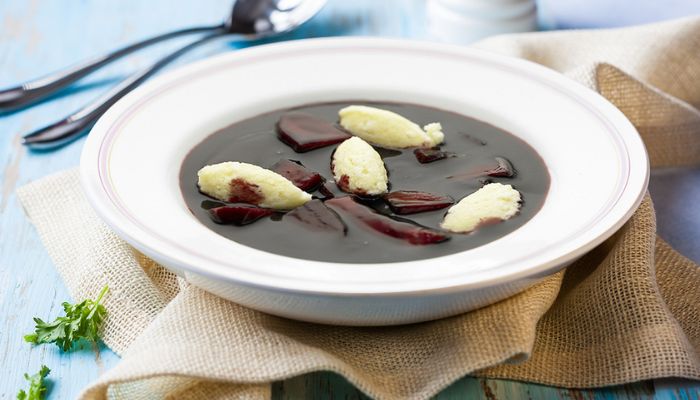
A revelation for many: Not everything that cooks in a soup has to be vegetables. You can warm your soul in the winter with this soup. Black elderberries boil with a bit of sugar and citric acid – as is so typical for northern Germany, served warm with semolina dumplings and apples. Today, people rarely see the soup in Germany’s soup bowls.
Pears, beans and bacon
Yes, you read it right, a surprisingly mixture. But for a long time, households throughout Germany - especially in the north - had pear, bean, and bacon on their plates. And the name is also to be understood; this filling autumn dish with potatoes consists precisely of your own ingredients: cooked pears and green beans.
Conclusion
German food isn't just pretzels and sausages. The country has a long history of weird, cozy comfort dishes—from raw pork hedgehogs and sweet elderberry soup to fruit-and-bacon stews. Most of these retro meals have disappeared from everyday life, but they show a totally different, nostalgic side of German home cooking.
FAQ
Why are these traditional German dishes rarely eaten today?
Food tastes changed over time. Many of these recipes—like stuffed pig’s stomach or raw pork spreads—came from post-war times or older regional habits. As fast food, modern grocery items, and global options took over, these old-school dishes faded into background nostalgia.
What is Toast Hawaii?
It’s an old-school 1950s German snack made by topping a slice of white bread with ham, a canned pineapple ring, and a slice of melted cheese. It's basically Germany's version of a Hawaiian pizza on toast.
Is raw pork really safe to eat in Germany?
Yes. The raw pork spread called Mett is extremely popular and heavily regulated by German food safety laws. It's ground fresh daily and seasoned with salt and pepper, usually eaten on bread rolls with raw onions.
What does "Himmel und Erde" mean?
It translates to "Heaven and Earth." It’s a classic combination of applesauce (from apples up in the trees/heaven) and mashed potatoes (from potatoes down in the dirt/earth), often served alongside fried sausage.