
Surprising Everyday Foods That Are Banned in Other Countries
Everybody has different tastes in food – but the reasons countries around the world have banned or restricted some foods can be pretty baffling. From kebabs and ketchup to poppy seeds and popcorn, we've rounded up the most surprising foods and drinks that countries have outlawed over the years, counting down to the most shocking of all. How many have you tried?
10 Surprising Everyday Foods That Are Banned
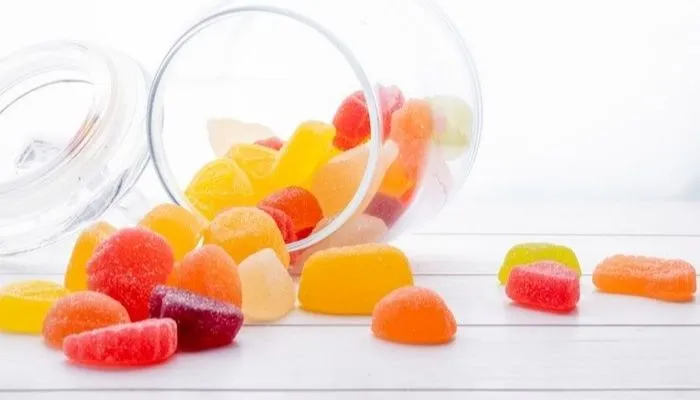
1. Mini jelly cups
The European Union, Australia and numerous other countries banned mini jelly cups containing a gelling agent called konjac. These products came in single-serving containers with peel-off lids, and the idea was you'd eat the whole thing in one go. But the European Commission said their texture and shape made them a choking hazard – especially for children. Critics claimed the ban was a major overreaction.
You may also read :- High-Fiber Foods Chart to Help Relieve Constipation Naturally
2. Foie gras
Critics widely criticize the production of French delicacy foie gras, made from the fatty livers of ducks and geese. Farmers force-feed the birds via a metal tube until their liver has enlarged to up to 10 times its usual size. Several countries have banned production and, in some cases, banned imports of the product due to concerns over animal cruelty. But many places – including the US and France – still manufacture the product.
3. Peeps
These radiant marshmallow chicks are a staple at Easter in the USA and Canada, but certain flavours – specifically pink and purple Peeps, which contain a chemical called red dye No. 3 – will soon face the chop. The additive is a known carcinogen that was banned from use in cosmetics in the 1990s, but still remains in thousands of foods in America. However, in January 2025, the US Food and Drug Administration (FDA) signed a ban on red dye No. 3, which will come into effect in 2027.
4. Poppy seeds
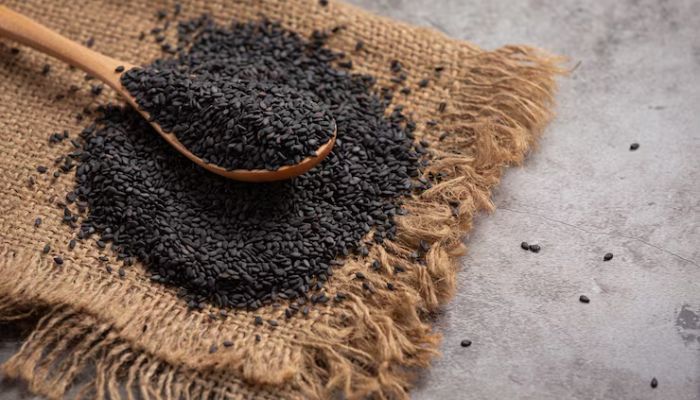
Believe it or not, poppy seeds can land you in serious hot water in Singapore. While poppy seeds are unlikely to do you harm, they can contain traces of opiates. That's why the country's strict Central Narcotics Bureau classifies them as prohibited goods. You can import them, but only once Singapore's Health Sciences Authority has cleared them.
5. Shark fins
Although some parts of Asia commonly use shark fins for soup, people widely condemn the practice of shark finning. This is not just due to the shrinking shark population, but also the cruelty of the practice. Fishers typically cut off shark fins while the shark is still alive, and they sometimes throw the animal back into the water to die. The US, Canada and the UK have all banned the trade of shark fins, and one of Hong Kong’s major restaurant chains has taken shark fins off its menus for good.
6. Avocados
Some restaurants are calling time on the ubiquitous inclusion of avocados in everyday dishes. London restaurant Firedog was one of the first to ban the ingredient, and its head chef declared: “We’re frankly bored of seeing it on every breakfast and brunch menu.” Other restaurants have followed suit, citing concerns over the food's environmental impact. Rainforest Trust UK claimed the demand for avocados was partly responsible for the devastation of some 70,000 acres of rainforest per day.
7. Raw almonds
In the US, 'raw' almonds are, in fact, not actually raw. Instead, processors pasteurise them in a complicated process that can take up to nine hours. It's illegal to sell truly raw almonds because producers think they carry a risk of salmonella, which can cause fever and abdominal cramps. Happily, the way they treat them – usually through steaming or roasting – doesn't affect the taste.
8. Haggis
If you want an authentic taste of Scotland's national dish, your best bet might be to visit the country itself. While variants abound, true haggis consists of minced pluck (the liver, lungs and heart of a sheep) mixed with oats, onions, suet and spices, and cooked in sheep’s lungs. Unfortunately, the US Department of Agriculture deems sheep lungs unfit for human consumption, so real-deal haggis is out of the question if you live in the USA.
9. Caviar
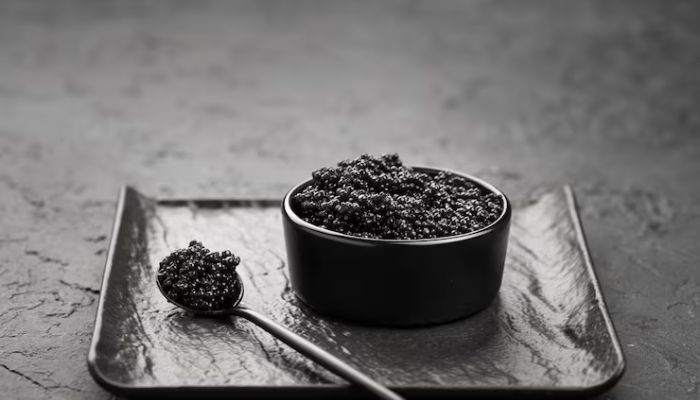
With the beluga sturgeon now critically endangered, some countries have made the sale of its roe – more commonly known as beluga caviar – illegal. The US banned all imports in 2005 but has since relaxed the rules, allowing caviar from farmed sturgeon and those caught within strict fishing quotas now in place in the Caspian Sea. The ban and strong conservation efforts allowed the beluga population to recover.
10. Irn-Bru
Not familiar with Scotland's neon-orange fizzy drink and much-famed hangover cure? That could be because your local store is banned from selling it. The sale is restricted in Canada among the countries, with the food colouring Ponceau 4R (present in the classic formulation of the product) being linked to hyperactivity. 'Compliant formulations' of the product that do not contain this ingredient are allowed by the country, however. Irn-Bru was also banned at a Scottish golf resort over fears it would stain the carpet.
Conclusion
We usually think food laws are just about basic kitchen hygiene, but this list proves it goes way deeper than that. What's completely normal to eat in one country—like grabbing a pack of Easter Peeps or ordering traditional haggis—can literally be illegal just a flight away because of local politics, ethical debates, or different health standards. At the end of the day, what actually ends up on your plate depends entirely on where you live, what that country cares about, and which scientific studies their government decides to trust.
FAQ
Q: Why on earth are poppy seeds illegal in Singapore?
A: It sounds crazy, but since poppy seeds come from the opium plant, they can sometimes have trace amounts of narcotics on them. Singapore doesn't mess around with drug laws, so their narcotics bureau just treats them as contraband. You can’t bring them in unless the health board runs tests and clears them first.
Q: Can you actually get real Scottish haggis in the US?
A: No, you can't get the real deal. True Scottish haggis has to be made with sheep lungs, but the US government banned that specific ingredient for human food a long time ago. Anything labeled haggis in the US is just a tweaked version made to follow American laws.
Q: Are pink and purple Peeps totally gone now?
A: Not yet, but they're on the way out. Those specific colors use Red Dye No. 3, which is linked to cancer. The FDA finally banned the ingredient, but since the rule doesn't actually kick in until 2027, the company has a couple of years to switch up the recipe.
Q: What's the deal with raw almonds in America?
A: The "raw" almonds at US grocery stores aren't actually raw. Truly raw ones are illegal to sell over there because of some bad salmonella outbreaks a while back. Instead, factories pasteurize them with steam or heat for hours to kill off bacteria, though it doesn't change the flavor.
Q: Why would a restaurant ban avocados?
A: Mostly because chefs got sick of seeing avocado toast on literally every single menu. Plus, the massive global demand for them is causing huge environmental problems, like clearing out thousands of acres of rainforest every day just to grow more of them.