
Tricks Restaurants Use to Boost Your Bill
There is absolutely no doubt that setting up and managing a successful restaurant – the kind that actually makes a profit – is not an easy industry to be in. And when you think of the rent, the tax bill, the salaries to pay… let alone the cost of ingredients, many establishments have had to put their heads together to devise new and clever methods of separating you from your hard-earned cash.
Below, we highlight the surprisingly subtle (and occasionally sneaky) methods restaurants use to bump up the total when you visit, from their loyalty programs and playlists to lighting schemes and even the menus they use.
Handwritten bills
Your server scratches a happy little note saying 'Thanks!' on your bill for a reason, or you receive a small piece of candy for every person at the table with your receipt; they all make you feel special, end the experience on a high note, and usually result in a larger tip for your server.
The colour red
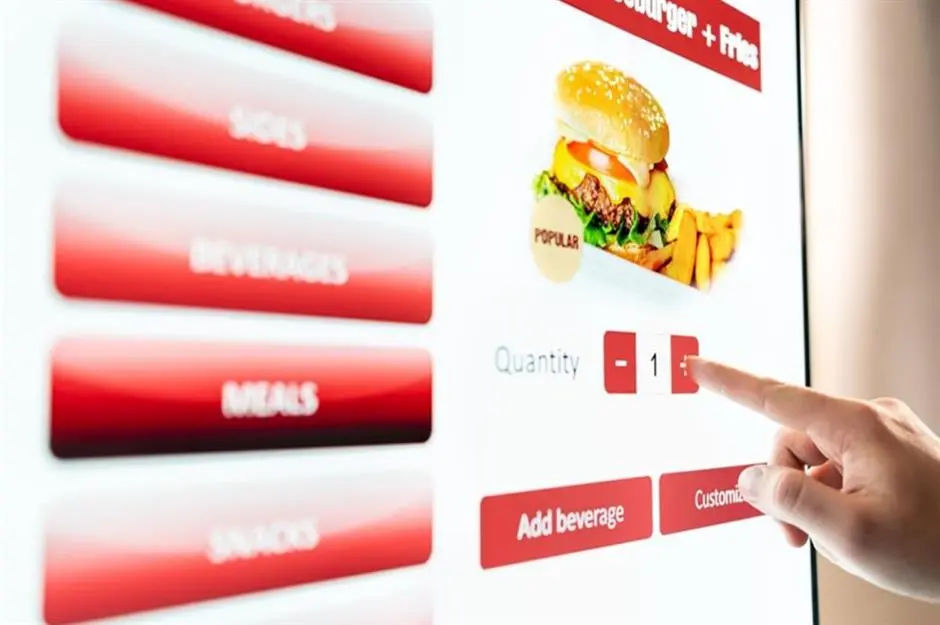
The dcor also contributes to what we spend in a restaurant. Reds captivate and excite us. This includes our appetites, and for this reason, many fast food and restaurant chains choose to feature the bright colour prominently. Red creates an appetite, prompting diners to eat quickly.
Going big on carbs
We admit, it’s hard to resist when done right. The problem is that those high-carb options (think rich, creamy pasta, deep-dish pizza) cost little to make, giving the restaurants huge profit margins. The raw ingredients cost little to purchase and are simple to make. And if you’re not in a bona fide pizzeria or an Italian trattoria, just order another thing off the menu.
You may also read :- Effortless Cheesecake Recipe You Need to Try
Free items for online reviews
If you’ve ever coaxed someone into a restaurant with a sign displaying ‘free food this way’ (or the like), you’ll know there’s always a catch. Restaurants require reviews to boost their visibility online, and some establishments lure customers into providing these through freebies like coffee or a dessert for a review of their experience. So, if these establishments ‘buy’ their reviews, can you even tell what kind of quality service to expect?
Tempting you with dessert
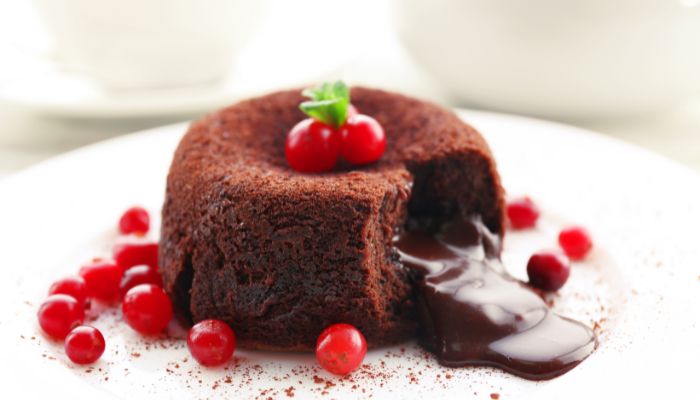
Walk into a restaurant, and do you always take a good long gander at the dessert trolley heaving with goodies, or perhaps you've seen the person at the table next to you having their crme brûlée torched right at the table? The reasons for this is a subtle, yet incredibly effective tactic, in encouraging you to spend extra money on dessert - before you've even taken your seat to peruse the menu. Rather than letting your waiter suggest dessert on behalf of the restaurant, the intention here is to plant the idea at the beginning of the meal to encourage you to see it as a natural conclusion to the meal - even if you are absolutely full.
Not offering tap water
A good establishment gives you tap water; a great one has a water filter on site and is kind enough to serve you their filtered water on tap, and anyone else coaxes the waiter to ‘still or sparking water?’, forcing you to remember that ‘tap’ is also a choice you may have not wanted to be seen with.
Deliberately making seating comfortable (or uncomfortable)
Many expensive dining experiences make the diner want to linger with rich and warm seating options, the lighting at dim settings, and fancy and decorative interiors. Then, some restaurants aim for the exact opposite. These often appear in fast food and fast casual dining options. Instead of ensuring diners are as comfortable as can be, these establishments often outfit diners with uncomfortable chairs - stools without backs and metal chairs - so that diners feel no urge to sit for extended periods or even much beyond consuming their meals.
The use of smell
But the extra mile that sometimes pushes you into ordering more comes down to the cleverly presented menu. As well as not showing a currency symbol, some venues even write out numbers in word format. Seeing ten instead of 10 makes it much harder to associate with actual money - it tricks the brain and doesn't mean it's free (the bill will follow!).
A raw deal for vegetarians and vegans
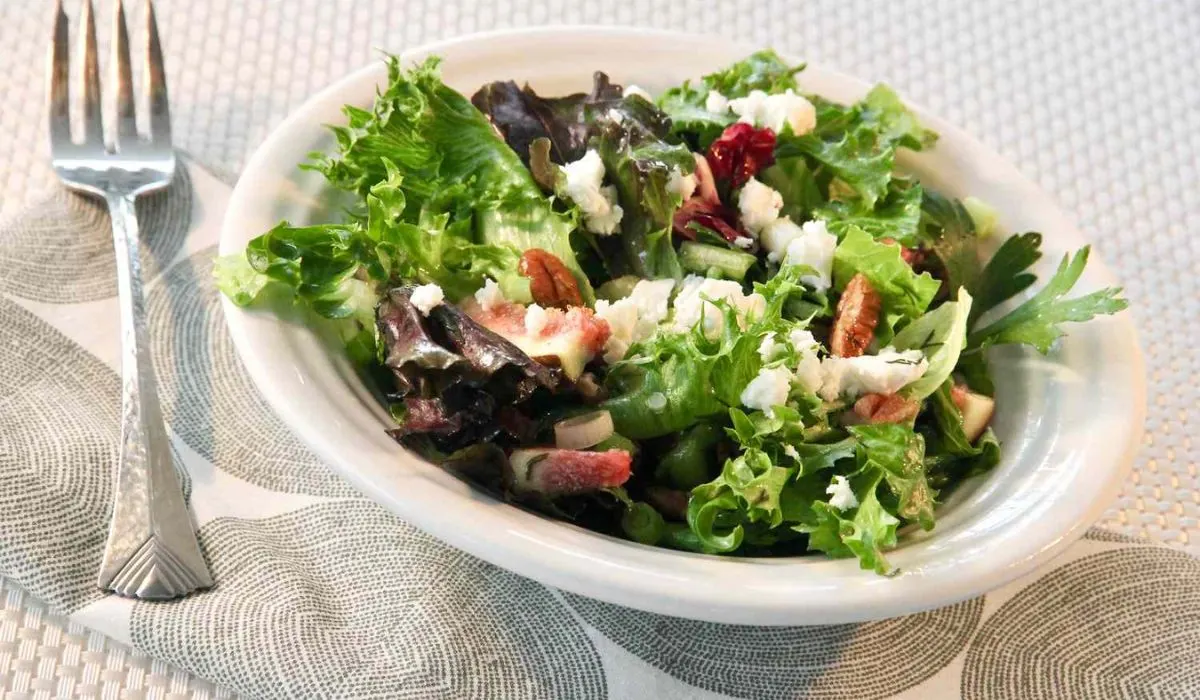
Whether it's opting for less expensive cuts of meat or favouring dishes that limit the expensive bits – I'm looking at you crab cakes and fishcakes – meat and fish eaters can be rip-off victims in numerous ways. Vegetarians and vegans often have it the worst, paying a premium on cheap ingredients, with salads, cauliflower steaks, or mushroom risotto regularly costing as much as a rib-eye steak.
Conclusion
At the end of the day, running a profitable restaurant is a tough business, and owners have turned menu engineering and dining room design into a fine science. From the cozy seating that keeps you ordering extra drinks to the missing dollar signs on the menu, almost every detail is calculated to nudge your bill just a little bit higher.
None of this means you should stop going out to eat. However, once you notice these subtle tricks—like automatic bottled water suggestions or high-markup carb dishes—you can make smarter choices, save a few bucks, and make sure your money goes toward great food rather than marketing tactics.
Frequently Asked Questions
Why do restaurants drop dollar signs or spell out prices as words on the menu?
It’s a psychological trick to detach you from the idea of spending actual cash. Seeing "$15.00" immediately reminds your brain of money leaving your wallet, whereas seeing "fifteen" or just "15" feels less transactional and encourages higher spending.
Is it wrong to just ask for regular tap water?
Not at all. Waiters are often trained to ask "still or sparkling?" because both options cost money. Simply say, "Tap water is fine, thanks." It’s a completely normal request and one of the easiest ways to keep your final bill down.
Why are vegetarian options like pasta or cauliflower steaks so expensive?
High profit margins. Vegetables and grains cost the kitchen a fraction of what a good cut of meat costs, but restaurants often price vegetarian mains close to meat dishes. It allows the kitchen to offset higher ingredient costs elsewhere on the menu.
Are restaurant online reviews with thousands of 5-star ratings trustworthy?
Not always. Many places offer a free dessert, coffee, or discount in exchange for a quick Google or TripAdvisor review while you're still sitting at the table. If a spot seems to have an unusual number of glowing, brief reviews, take them with a grain of salt.